

.png)
%20Thumbnail.png)
If you garden in Florida, March feels like a gift. After months of growing cool-season crops, the days are warming up, frost risk is behind most of the state, and it's time to transition to the vegetables and herbs that thrive in Florida's subtropical climate. March is your prime planting window before summer's intense heat and daily thunderstorms make growing much more challenging. Whether you're in Pensacola, Orlando, or Miami, this guide breaks down exactly what to plant, when, and how to set your spring garden up for success.
Subscribe to my YouTube channel to watch more videos and stay up to date on my uploads.
SubscribeFlorida spans USDA hardiness zones 8a through 11b, meaning planting timing varies by region. In North Florida (Tallahassee, Jacksonville, Pensacola), the last frost typically falls in mid-February, making early March ideal for transplanting warm-season crops. Central Florida (Orlando, Tampa) gardeners can plant most warm-season vegetables throughout March. South Florida (Miami, Fort Lauderdale, Naples) is already moving away from the cool season. Early March is your last chance to enjoy cool-weather crops before pivoting fully to heat-tolerant varieties.
Basil is essential!!! It thrives in Florida heat and is best started from seed or transplants in March. Plant it near your tomatoes as a companion plant. Other March herbs include lemongrass, rosemary, thyme, and tropical varieties like Cuban oregano and Thai basil that really excel in Florida's humidity.
March typically brings drier conditions across Florida before the rainy season begins in June. Mulch your beds 3–4 inches deep with pine bark, straw, or wood chips to conserve moisture and keep soil temperatures stable. Set up drip irrigation now if you haven't already. Your plants will need consistent moisture as March transitions into April's warmer days.
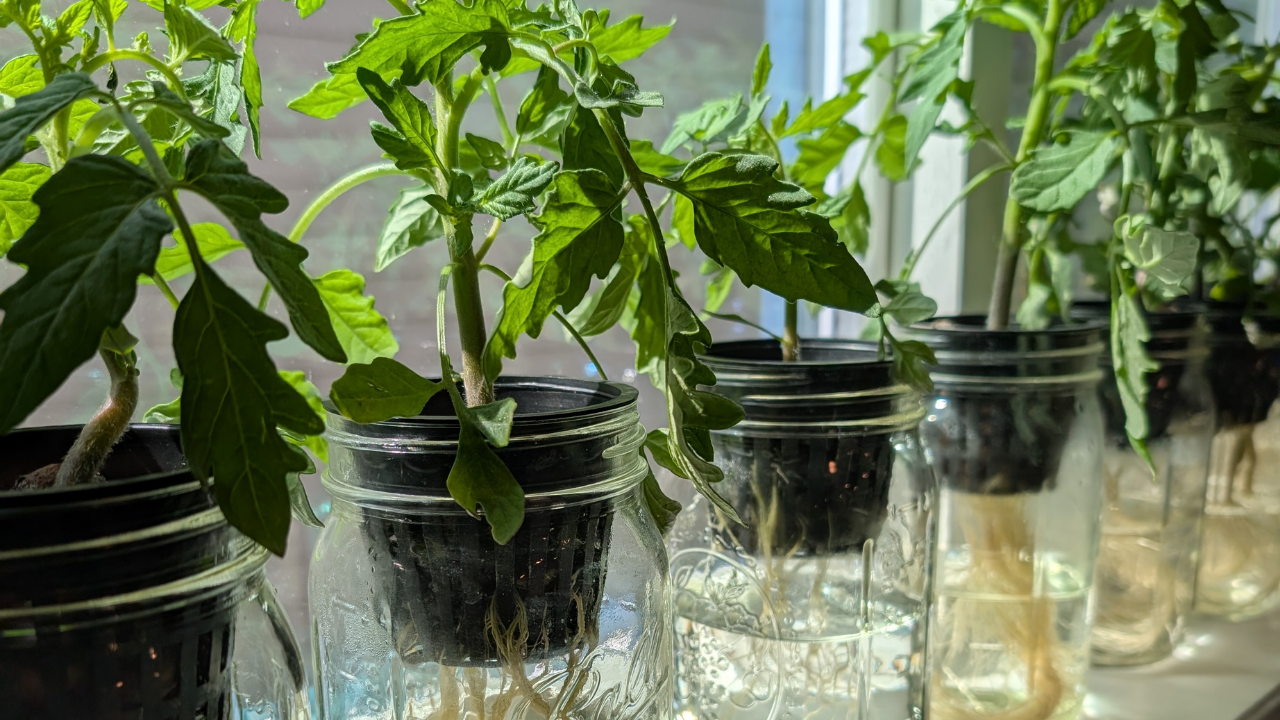
March is your gardening sweet spot in Florida. It's warm enough for summer crops, cool enough for pleasant planting conditions, and just ahead of the heat that makes summer gardening a real challenge. Focus on getting tomatoes, peppers, and cucumbers established this month, keep your beds well-mulched, and stay on top of watering as the rain season is still a few months away. A little effort invested in March pays off with an abundant harvest through May and into early June before summer truly takes hold.
%20Thumbnail%20(19).png)
%202.png)
%203.png)
%201.png)
%20(1).png)

.jpg)